“Even if you have reams of evidence on your side, remember: numbers numb, jargon jars, and nobody ever marched on Washington because of a pie chart. If you want to connect with your audience, tell them a story.”
- Andy Goodman
To align or not align: decades of Hurricane Hunter radar data yield insights on rapid intensification
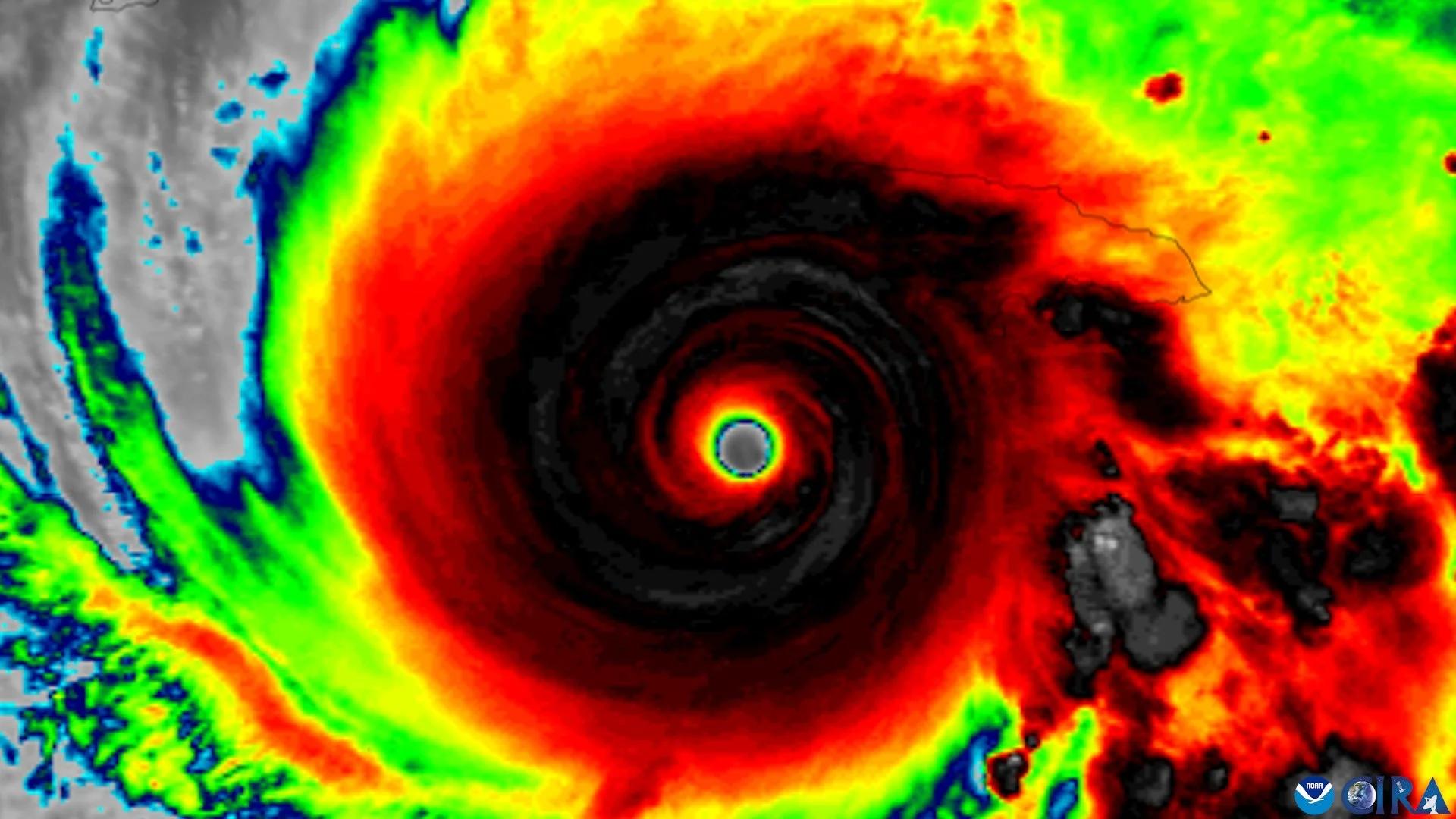
Leveraging 27 years of radar scans from Hurricane Hunter aircraft, NOAA and partners reveal new insights into one of the most elusive phases of the tropical cyclone lifecycle – vertical alignment of the vortex, a critical precursor to rapid intensification. The most powerful tropical cyclones are characterized by an aligned vortex, a strong circulation center that extends vertically and symmetrically from the ocean surface upwards. But many developing storms begin with their circulation tilted or misaligned, and predicting whether they will become vertically aligned has long been a challenge.
In the wake of hurricanes: satellites and robots reveal an altered biogeochemical landscape
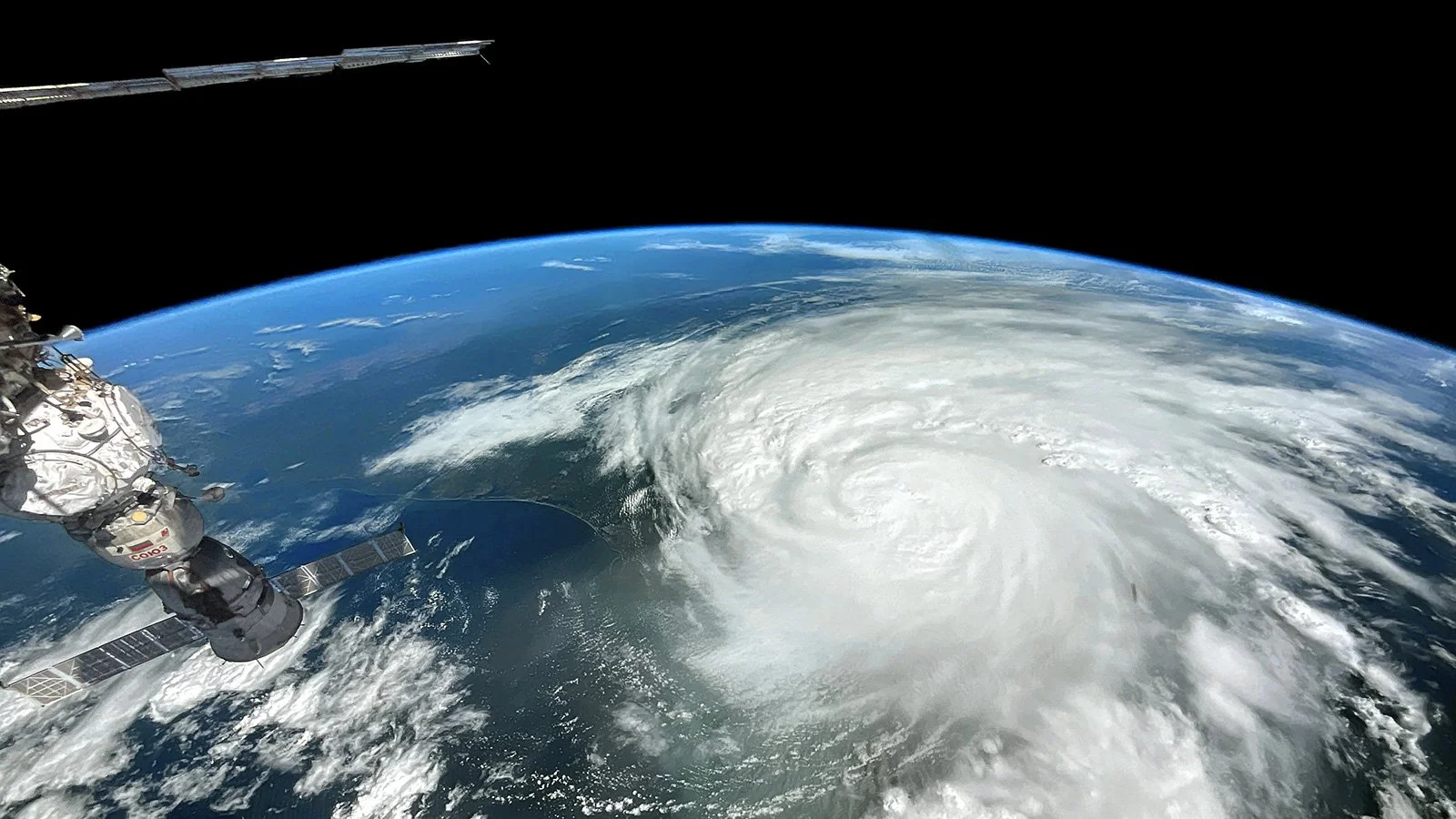
On August 30, 2023, Hurricane Idalia made landfall as a major Hurricane in Florida’s Big Bend after meandering through the northwestern Caribbean and intensifying over the warm waters of the Gulf of America. In its aftermath, damage on land was immediately visible, but observations from satellites and ocean-going robots revealed that the ocean was also profoundly altered–from its surface waters to its deeper layers.
From sample to source: tracking pollution pathways in AOML’s Molecular and Environmental Microbiology Lab
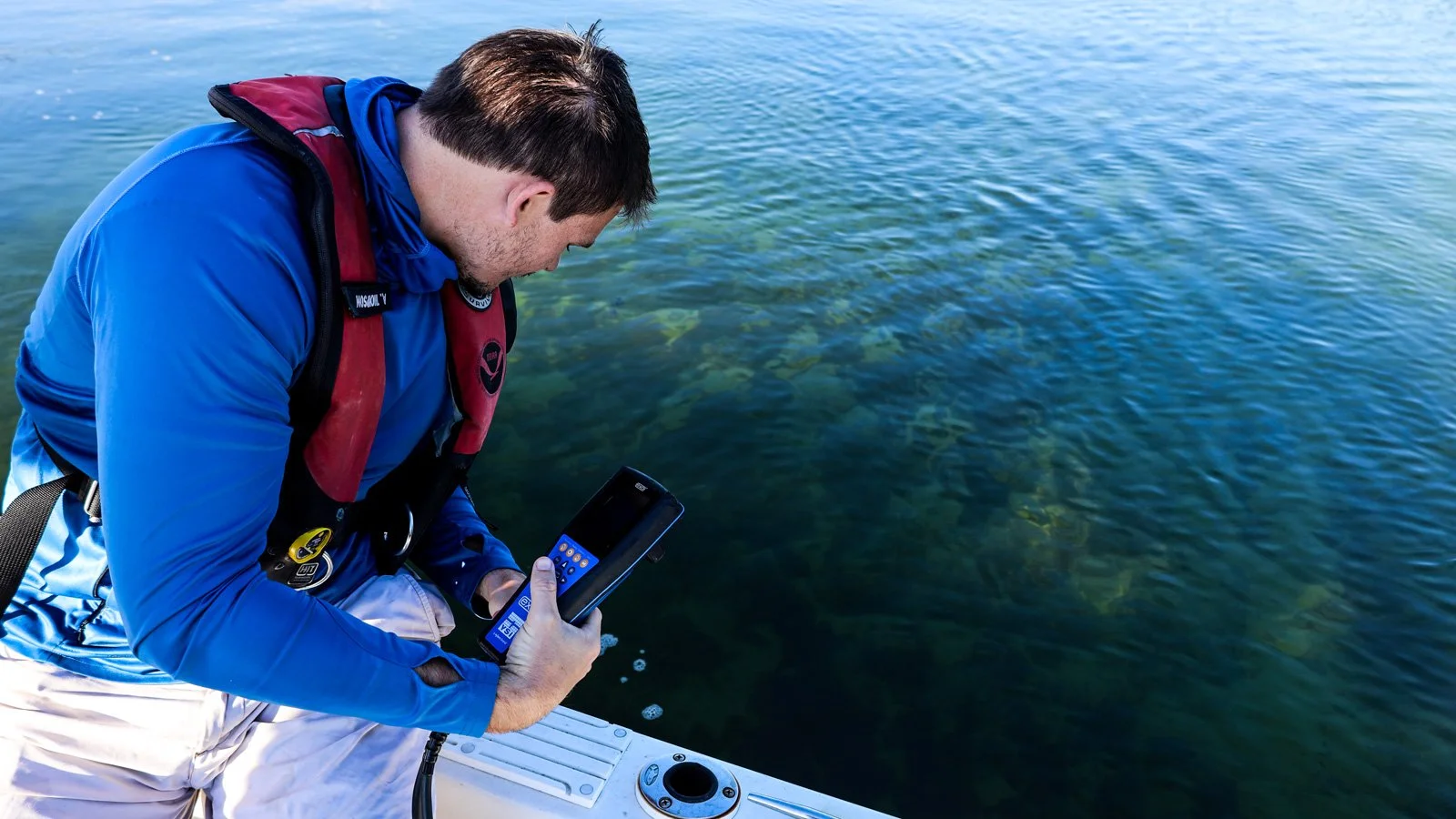
With sterile sample bottles at the ready, scientists at NOAA’s Atlantic Oceanographic and Meteorological Laboratory (AOML) prepare to capture water samples for analysis in the lab. Invisible to the naked eye, nutrients, pollutants, and entire communities of bacteria, algae, and other microorganisms drift through these waters leaving clues in the form of pollution and DNA signatures. By pairing cutting-edge genetic tools with detailed water quality measurements, AOML scientists are uncovering where pollution begins and how it travels through the coastal environment. Ultimately, these insights help resource managers and local communities better understand the hidden pathways connecting land, water, and reef ecosystems, and protect vital ecosystems and human health.
Monitoring vital signs: Tools and technologies at the heart of physical oceanography
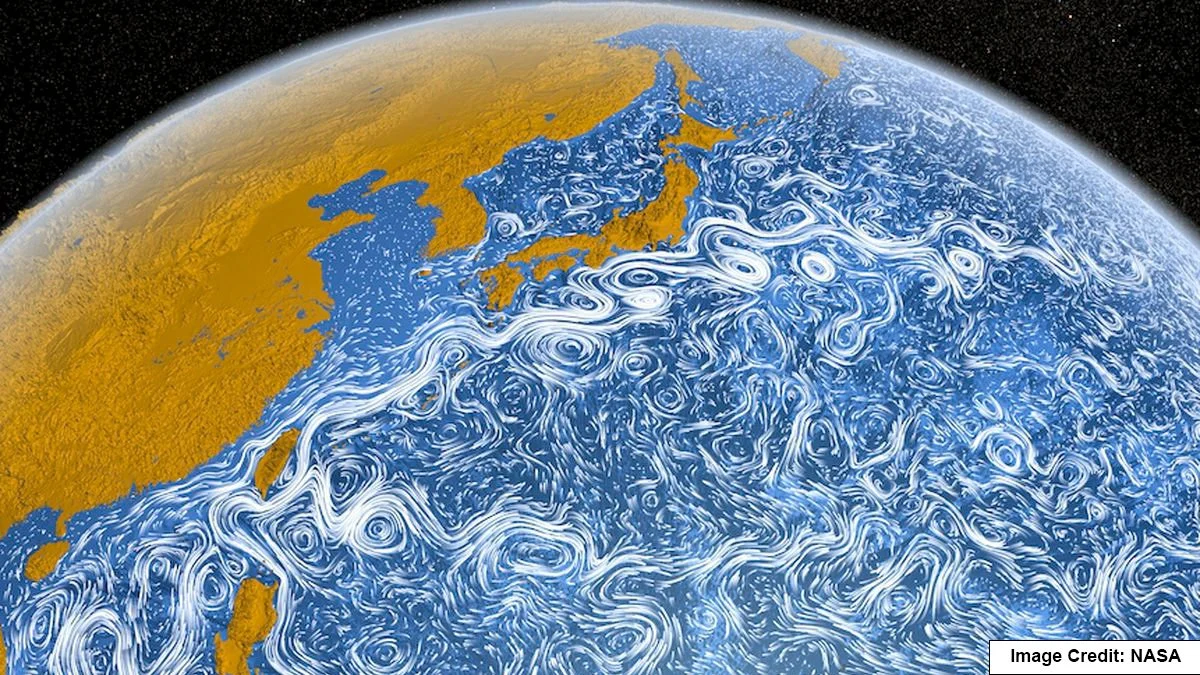
In 2018, an Australian couple curiously stumbled upon a bottle of gin washed ashore in Wedge Island, Australia. Yet, there was no gin inside. Rather, preserved within the bottle was a note with the date June 12th, 1886; the name of a German barque, Paula; the ship’s departure and arrival ports; and the exact coordinates of the ship at the time the bottle was set adrift. Further, the note requested that the finders of this bottle record the date and location of the discovery and return it to the Deutsche Seewarte in Hamburg or the nearest German embassy. This wasn’t a poetic gesture or a pastime for sailors—it was an experiment in which researchers and ship captains would throw bottles adrift to study currents and optimize shipping routes. Thanks to these message in a bottle experiments and major advances in physical oceanography and technology, we now understand that the oceans are not isolated bodies of water, but part of a vast and complex, interconnected system.
Alongshore winds drive variability of key biogeochemical processes
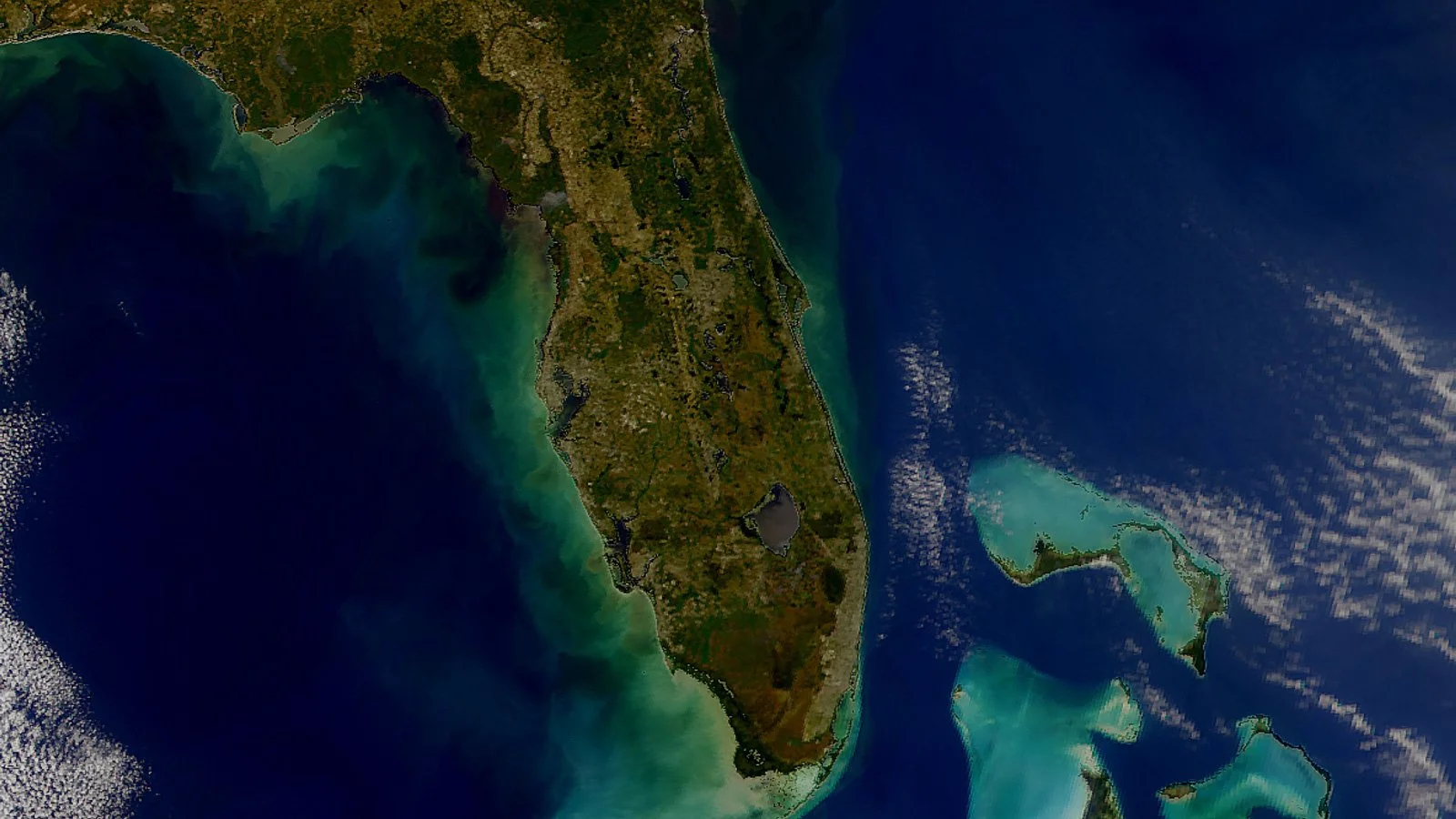
There’s a unique interplay between surface winds, the Gulf Stream current, and the continental shelf in the South Atlantic Bight (SAB), that has long been overlooked. Researchers have often speculated that the strength of the Gulf Stream and proximity to the coast impacts primary production and other processes driving essential ecosystems. However, to what degree has remained unclear. A new study led by Fabian Gomez at the the Northern Gulf Institute (NGI), in collaboration with scientists at NOAA’s Atlantic Oceanographic and Meteorological Laboratory (AOML) and the Geophysical Fluid Dynamics Laboratory (GFDL), ties changes in the surface Gulf Stream speed to interannual changes in shelf-break upwelling and primary production across the SAB — variability largely driven by surface winds.